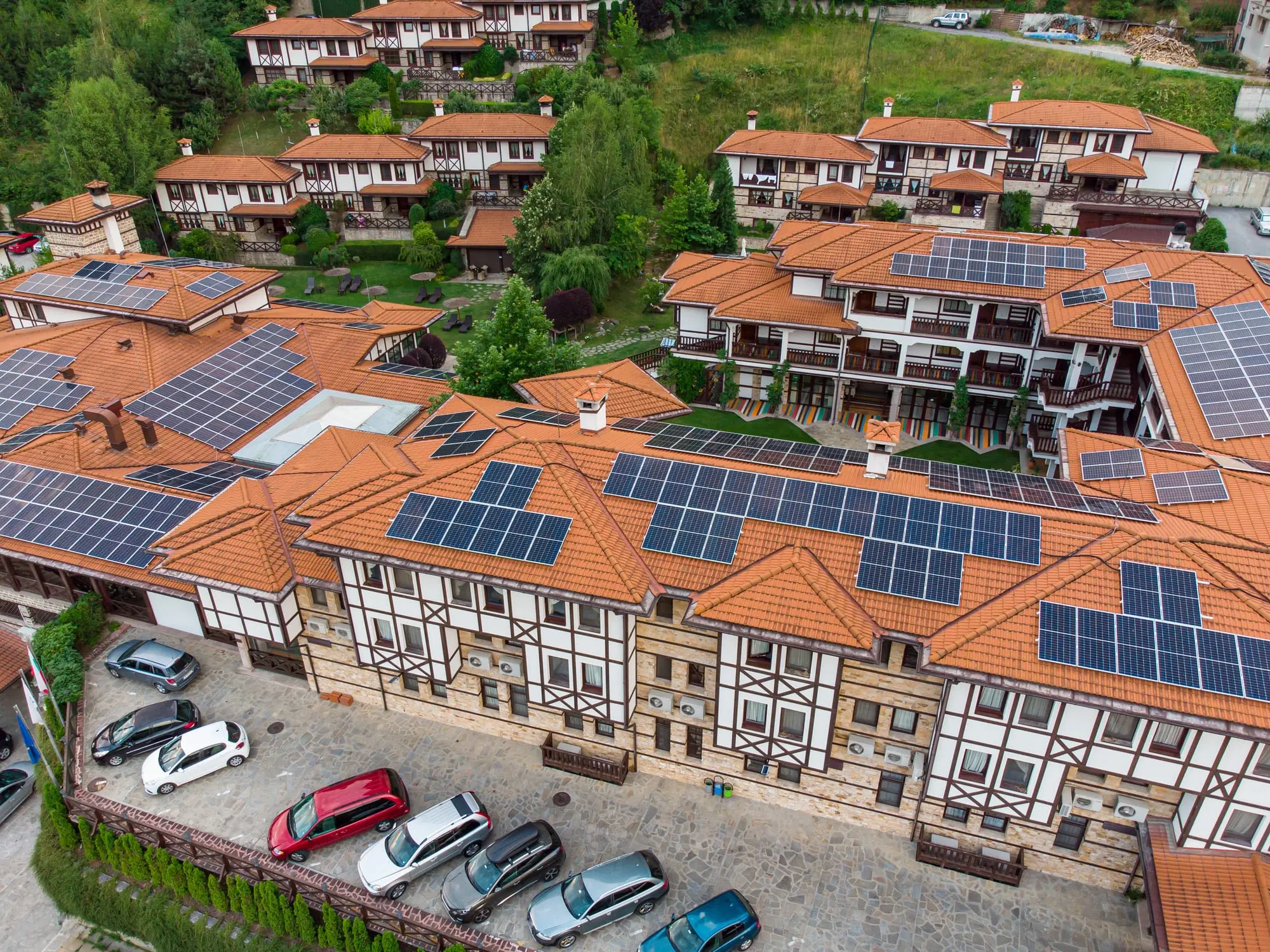
The Building Energy Act (GEG) is a central component of German energy and climate policy that affects property owners, developers, and homebuyers. Since its introduction, the GEG has aimed to reduce energy consumption in buildings and promote the use of renewable energy. For property owners, particularly in the metropolitan region of Nuremberg, Fürth, Erlangen, Schwabach, and Roth, the law presents certain requirements and challenges that must be taken into account.
The GEG consolidates regulations that were previously contained in the Energy Saving Act (EnEG), the Energy Saving Ordinance (EnEV), and the Renewable Energies Heat Act (EEWärmeG). This simplifies the energy-efficient planning and use of real estate. In this article, you will learn what regulations the GEG contains and how property owners can prepare for them.
Challenges of the GEG
The Building Energy Act presents property owners with the challenge of designing their buildings to be energy-efficient. The energy requirements of the GEG must be met, particularly in the context of new construction or renovations. However, certain requirements also apply to existing buildings that are being sold or rented, such as the requirement to provide an energy performance certificate. Meeting these requirements may lead to increased investment costs, but it also offers long-term savings on energy costs.
What does the Building Energy Act (GEG) regulate?
Requirements for New Buildings
The GEG stipulates that new buildings must meet certain energy standards. These include, among others:
- Maximum primary energy demand: New buildings must not exceed a certain primary energy demand in order to keep energy consumption as low as possible.
- Renewable energies: The use of renewable energies is encouraged. There are regulations requiring that a certain percentage of energy demand be met by renewable energy sources.
Requirements for Existing Buildings
There are also clear guidelines for existing buildings. During extensive renovations or modernizations, certain energy efficiency standards must be met:
- Insulation of Roofs and Facades: During a renovation, roofs and facades must be properly insulated to minimize energy loss.
- Mandatory replacement of old boilers: Oil and gas heating systems that are more than 30 years old must be replaced, unless they are low-temperature or condensing boilers.
When renting or selling a building or apartment, an energy performance certificate must be presented, which provides information about the building’s energy consumption. The energy performance certificate is an essential basis for potential buyers or tenants to assess the property’s energy efficiency.
Tax Benefits and Incentive Programs
When energy-efficient renovation measures are carried out, tax benefits or incentive programs are often available. These programs can help reduce investment costs:
- KfW Incentive Programs: The Kreditanstalt für Wiederaufbau (KfW) offers low-interest loans and grants for energy-efficient construction and renovation.
- Tax Deductions: Renovation costs incurred to comply with the GEG are tax-deductible.
Tips for Property Owners
1. Plan Early
For new construction or extensive renovations, you should familiarize yourself with the GEG requirements early on. Careful planning helps avoid unnecessary costs and delays.
2. Seek expert advice
Property owners should consult an energy consultant or architect to ensure that all GEG requirements are met. Proper implementation saves costs in the long term and provides peace of mind.
3. Take advantage of subsidy programs
There are numerous subsidy programs that support the energy-efficient renovation of buildings. Take advantage of this financial assistance to reduce costs and benefit from lower energy bills in the long term.
Benefits of consulting with my-home.de
my-home.de offers comprehensive consulting services regarding the Building Energy Act (GEG) in the metropolitan region of Nuremberg, Fürth, Erlangen, Schwabach, and Roth. With our network of experts, we help you make your property energy-efficient and comply with legal requirements.
- Customized Solutions: We develop tailored solutions that are precisely tailored to your property.
- Professional Implementation: Through our network of experts, we guarantee professional implementation of GEG requirements.
- Grant Advisory Services: We help you find and utilize the appropriate grant programs to reduce renovation costs.
Recommendations for Action and Concluding Notes
The Building Energy Act presents both challenges and opportunities for property owners. It is important to familiarize yourself with the regulations early on and plan the necessary measures. With the right support, you can not only meet legal requirements but also save energy and costs in the long term.
Let my-home.de advise you and leverage our expertise to make your property energy-efficient and successfully implement all GEG requirements.
Q&A; - Building Energy Act (GEG)
What is the Building Energy Act (GEG)?
The GEG is a German law that regulates energy requirements for new and existing buildings and promotes the use of renewable energy.
What do I need to consider as a property owner?
You must comply with the GEG requirements, particularly for new construction and energy-efficient renovations. An energy performance certificate is also mandatory when selling or renting a property.
How does the GEG help with climate protection?
The GEG reduces the energy consumption of buildings and promotes the use of renewable energy, which lowers CO2 emissions and supports climate protection.
Are there subsidies for energy-efficient renovations?
Yes, subsidy programs from KfW Bank as well as tax depreciation options can support renovation measures.
What is the energy performance certificate?
The energy performance certificate documents a property’s energy consumption and must be presented when selling or renting.
Which heating systems must be replaced?
Oil and gas heating systems that are more than 30 years old must be replaced, unless they meet the low-temperature or condensing boiler standard.
How does my-home.de help me with the Building Energy Act?
my-home.de offers comprehensive consulting, assists with implementing the Building Energy Act requirements, and helps with applying for subsidies.
What tax benefits does the Building Energy Act offer?
Renovation costs incurred under the Building Energy Act can be claimed as tax deductions, which reduces the financial burden.