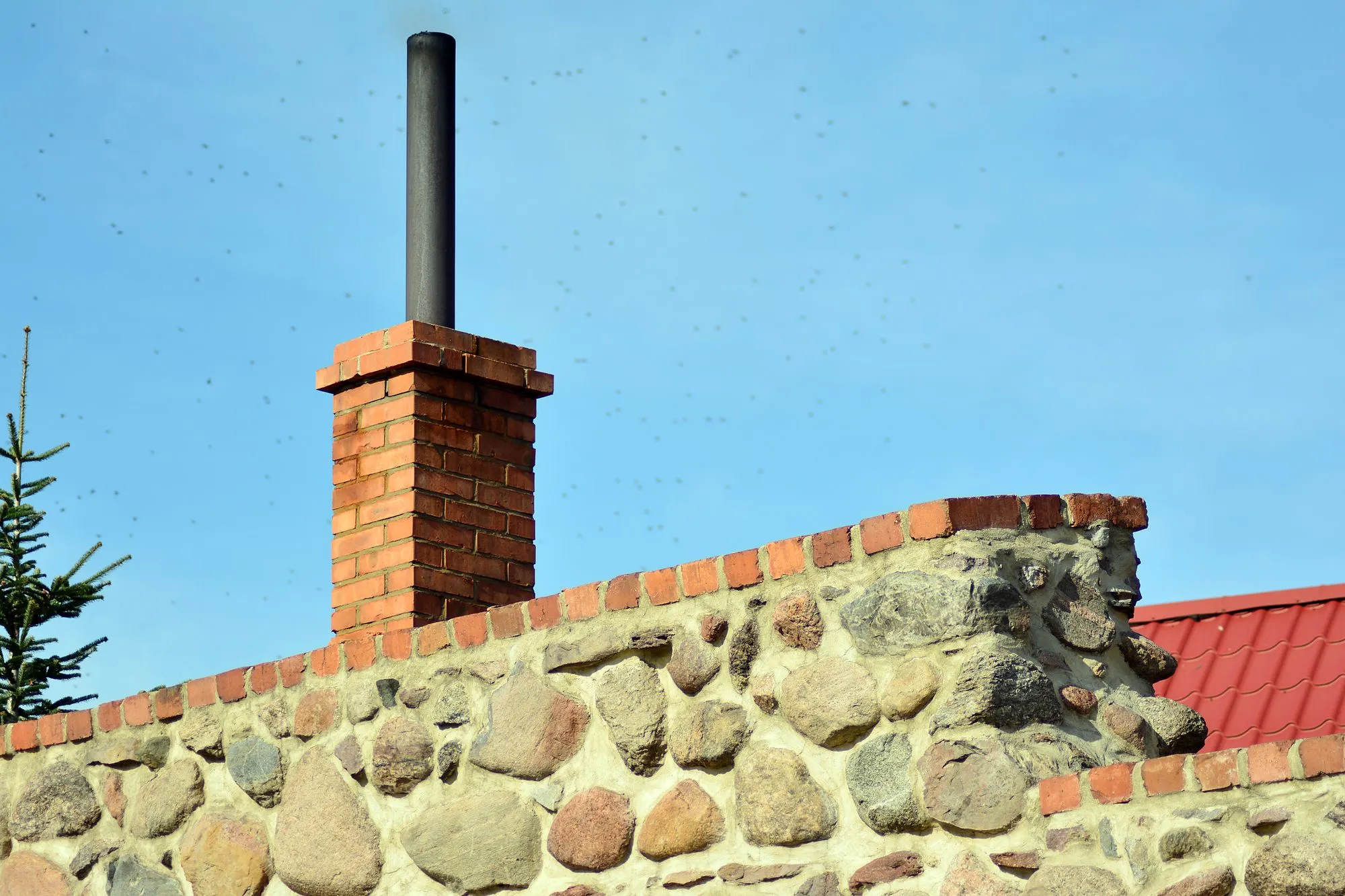
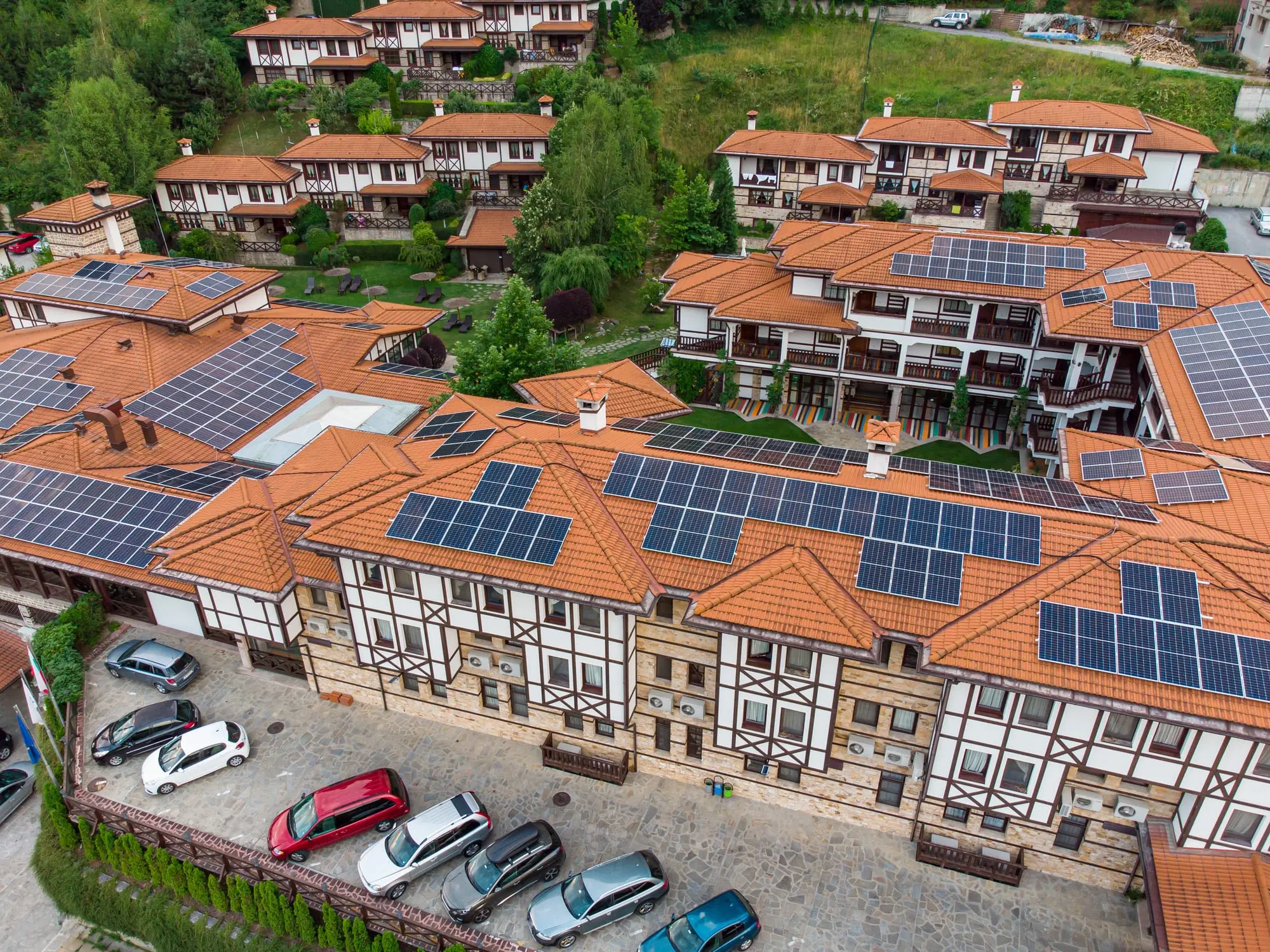
Anyone in Herpersdorf switching from gas or oil heating to a heat pump faces a decision that is often overlooked: What happens to the chimney? Keep it, remove it, or repurpose it? The answer depends on structural, legal, and economic factors. This article provides guidance for homeowners in Nuremberg-Herpersdorf.
Background: The heating system conversion boom and its consequences for chimneys
The Building Energy Act (GEG) 2024 and the BAFA heat pump subsidy have triggered a boom in heat pump installations in the Nuremberg metropolitan region. In 2025 alone, over 800 new heat pumps were installed in the Nürnberger Land district-a significant increase compared to the previous year. The result: thousands of chimneys are being decommissioned. Chimney sweeps in the greater Nuremberg area report that a substantial portion of their decommissioning reports are dated 2025 and 2026.
This development is creating a new dynamic in the real estate market in Herpersdorf: homes with newly installed heat pumps and professionally decommissioned chimneys have become the norm. Homes with chimneys still in use (for wood-burning stoves) offer an added benefit when marketed, which is relevant to the appropriate tenant or buyer demographic.
The Chimney in Transition: From a Mandatory Heating Component to an Optional Building Feature
For decades, the chimney was the structural centerpiece of every heating system. Gas and oil heating systems, as well as wood-burning systems, required a flue to vent exhaust gases outdoors. The requirement for regular chimney sweep inspections was a given.
With the shift to air-to-water heat pumps, ground-source heat pumps, or infrared heating systems, this has changed fundamentally: These systems produce no combustion gases and do not require a chimney. The once-central chimney has become a structural relic-leaving the owner with a decision to make.
The legal situation: There is no legal obligation to dismantle the chimney in Bavaria. The Bavarian Building Code (BayBO) does not specify what must be done with a chimney that is no longer in use. The decision rests with the owner.
However, the unused chimney gives rise to ongoing obligations: The district chimney sweep must be informed of the decommissioning and must document the professional decommissioning. A chimney opening that has not been properly decommissioned can lead to moisture problems.
Options at a Glance: What Owners in Herpersdorf Can Do
| Option | Cost Range (€) | Time Required | Recommendation |
|---|
| Decommissioning (Drying Out) | 200-600 | 1 day | Recommended if demolition is not planned |
| Preservation + conversion to wood-burning stove | 0 (inspection) + 1,500-4,000 (stove) | 1-3 months | Recommended if solid fuel is desired |
| Demolition of exterior chimney | 2,000-5,000 | 1-2 weeks | If the exterior appearance is unsightly |
| Demolition of interior chimney | 4,000-10,000 | 2-4 weeks | If more space is desired |
| Conversion for pellet stove | 500-2,000 (lining) | 1-2 weeks | If upgrading to hybrid heating |
| Preservation without measures | 0 | - | Not recommended (moisture risk) |
Source: Bavarian Building Code (BayBO); Bavarian Chimney Sweep Guild; Federal Chimney Sweep Guild ZIV, Cost Guidelines Q1/Q2 2026; BImSchV 1. BImSchV Small Combustion Plants.
Important: If the chimney serves a load-bearing or structurally integrated function (e.g., as a wall panel or with built-in ventilation ducts), dismantling is more complex and requires a building permit.
Practical Guide: How to Make the Right Decision
Step 1 - Consult a Chimney Sweep: The responsible district chimney sweep (assigned in Nuremberg-Herpersdorf by the Chimney Sweep Guild) is already familiar with the chimney from regular inspections. A free consultation on decommissioning options and possibilities for continued use is the first step.
Step 2 - Clarify intended use: Do you want to install a wood-burning stove? If so, the chimney can continue to be used after inspection by the chimney sweep. If the chimney is to be permanently taken out of service, professional decommissioning is the simplest option.
Step 3 - Structural inspection for demolition: If demolition is planned: Consult a structural engineer if the chimney is integrated into load-bearing structures. Plan for roofing work (sealing the chimney opening) and, if necessary, plastering work on affected walls.
> If you would like to know how the condition of your heating system and any chimney construction work might affect the market value of your property in Herpersdorf: The valuation tool from leadmarkt.ch provides a free, data-driven initial assessment.
Step 4 - Check for a building permit: In Bavaria, a building permit is required for chimney demolition if the scope of work exceeds a certain threshold. Small exterior chimneys below the building’s surface level may qualify for exempted measures. If in doubt, submit a preliminary inquiry to the Building Authority of the City of Nuremberg or the District Office.
Check the Chimney’s Condition Before Making a Decision
Before deciding whether to keep or remove your chimney, its condition should be professionally assessed. Typical damage to old chimneys:
Damage to the interior lining (fireclay lining): Cracks in the lining can cause heating gases to escape into the masonry. Such damage renders the chimney unusable and requires either repair (stainless steel lining, 500-2,000 euros) or removal.
Moisture and mold: An unused, improperly sealed chimney attracts moisture. Mold can develop in the chimney masonry and in adjacent walls. This is not a cosmetic issue-mold must be remediated.
Structural Stability of Exterior Chimneys: Older exterior chimneys from the 1950s-1970s may have cracks in the masonry due to freeze-thaw cycles. During the chimney sweep’s inspection, structural stability is checked; if there are doubts, an expert should be consulted.
A complete chimney assessment by the responsible district chimney sweep costs 80-200 euros and provides the basis for deciding whether to remove or retain the chimney.
A Wood-Burning Stove as a Practical Option: Continuing to Use the Chimney
The most common scenario for retaining the chimney: installing a wood-burning stove as a supplementary heat source and a comfort feature. This solution is popular in Herpersdorf-the wood-burning stove serves as a supplement to the heat pump during the transitional month of October and on individual winter days, reducing electricity consumption.
Technically, the process for using a wood-burning stove is clearly regulated: The chimney sweep checks whether the existing draft is suitable for the desired wood-burning stove (output, flue pipe connection, exhaust gas temperature). If so, the stove can be connected directly. If not, the chimney can be lined with a stainless steel pipe-costing 500-1,500 euros.
Please note: Wood-burning stoves are subject to the 1st BImSchV (Federal Immission Control Ordinance). New installations must comply with current emission limits (particulate matter 40 mg/m³, CO 1,250 mg/m³). The stove’s test certificate and an annual inspection by a chimney sweep are mandatory.
Local Context: Herpersdorf and Nuremberg’s Particulate Matter Situation
Nuremberg-Herpersdorf is located within the city limits of Nuremberg-a city that records exceedances of particulate matter limits during certain winter periods. The operation of wood-burning stoves in Nuremberg is therefore subject to increased public scrutiny.
The city of Nuremberg has not yet issued any general bans on the operation of wood-burning stoves. However, especially during inversion weather conditions (stable high-pressure conditions, no wind mixing), authorities recommend voluntarily refraining from using solid-fuel fireplaces. Anyone in Herpersdorf who uses a heat pump as the primary heating source and a wood-burning stove only occasionally is on the safe side, both legally and environmentally.
As a visible feature on existing buildings, the chimney also has a value aspect in Herpersdorf: Many prospective buyers view an intact chimney with a wood-burning stove option as a positive feature-especially those in the 45-65 age group, who value coziness and a place to retreat.
Value Appreciation vs. Demolition Costs
Owners looking to sell ask themselves: Does the chimney increase the value or decrease it? There is no one-size-fits-all answer-it depends on the condition of the chimney and the target audience.
A functional chimney flue approved by a chimney sweep is generally an advantage: It signals flexibility (possibility of a wood-burning stove, solid fuel as a backup) and enhances the perception of living quality. A damaged, damp, or visually unappealing exterior chimney, on the other hand, can be perceived as a cost factor.
Rule of thumb: Removal is worthwhile if the chimney poses structural issues or restricts the room layout. Retention is worthwhile if it remains usable or serves as a feature enhancing the quality of living.
Hybrid Heating with a Wood-Burning Stove: Heat Backup for Periods of Power Shortages
An increasingly popular concept in Herpersdorf and other Nuremberg neighborhoods: the combination of a heat pump as the primary heat source and a wood-burning stove as a seasonal supplement. This hybrid solution offers several advantages.
During extreme winters-when outdoor temperatures drop to -15 °C or below-the efficiency of air-to-water heat pumps decreases noticeably. On these few days of the year, a wood-burning stove can relieve the heat pump and reduce electricity consumption. The heat pump’s annual coefficient of performance suffers less when it does not have to bear the absolute peak load alone.
During power outages or with dynamic rates (peak-price periods), a wood-burning stove offers true self-sufficiency. In Herpersdorf, where many homeowners have PV systems with home storage, a robust energy ecosystem is emerging: PV + storage + heat pump + wood-burning stove as a backup.
Important: The chimney must be suitable for the selected wood-burning stove (draft, cross-section, exhaust gas temperature class). The local chimney sweep will provide free advice in advance on whether the existing draft is suitable for the planned stove or whether a liner is required.
Conclusion for homeowners in Herpersdorf
The chimney decision when changing heating systems is individual-but not arbitrary. Proper decommissioning is the minimum requirement; dismantling or repurposing are optional steps with clear cost-benefit profiles. In Herpersdorf, with its typical structure of existing buildings, repurposing for a wood-burning stove is the most common and economical option.
Before making decisions about heating system replacement and the chimney, we recommend obtaining a current market valuation: The valuation tool from leadmarkt.ch takes into account the type of heating system and property features and provides you with a realistic estimate for your Herpersdorf property.
Chimneys and the GEG: What to Consider When Replacing a Heating System
The GEG 2024 (Building Energy Act) regulates heating system replacement in § 71 ff. and sets specific requirements for the exhaust gas routing of new heating systems. When switching from a gas boiler to a heat pump, no new chimney is required-the heat pump does not produce exhaust gases. The existing chimney can be decommissioned or repurposed for a wood-burning stove. When switching to a pellet or wood boiler, the chimney must be approved for solid fuels.
For homeowners in Herpersdorf who wish to convert their chimney to a modern wood pellet boiler, the following is important: Pellet heating systems require lower exhaust gas temperatures (60-90 °C) than old oil boilers (120-200 °C). The chimney may need to be lined, as low temperatures cause condensation that damages the old masonry chimney over time. The district chimney sweep issues a suitability assessment for this-usually free of charge as part of the acceptance certificate for the new fireplace.
District Chimney Sweep in Nuremberg-Herpersdorf: Jurisdiction and Services
The district master chimney sweep for Herpersdorf, as part of the Nuremberg city area, is registered with the Bavarian Association of Master Chimney Sweeps. The district master chimney sweep responsible for northwest Nuremberg (district includes Herpersdorf, Thon, Buch) performs the following mandatory services:
| Service | Legal Basis | Frequency |
|---|
| Fireplace inspection | SchfHwG | every 3-5 years depending on heating type |
| Approval of new fireplaces | BaySchfG, § 14a | one-time upon installation |
| Emission measurement (1st BImSchV) | 1st BImSchV | upon installation + every 2 years |
| Issuance of a fireplace certificate | SchfHwG § 4 | after each inspection |
| Chimney sweeping requirement (for solid fuel) | SchfHwG | 1-3 times per year |
Anyone in Herpersdorf who wishes to install a new fireplace (wood-burning stove, pellet heating system) must have it inspected and approved by the district chimney sweep before the first use. Putting the fireplace into operation without this inspection violates § 14a SchfHwG and may jeopardize your home insurance coverage.
Created by the my-home.de editorial team in collaboration with regional real estate analysts. Data as of Q2 2026.