The Challenge of Historic Preservation When Buying Real Estate
Are you planning to buy a historic property in Nuremberg, Fürth, or Erlangen? Whether it’s a single historic building or part of a protected ensemble-the difference can be crucial for your investment. Did you know that about 15% of listed properties in Bavaria are part of a historic ensemble, which means special regulations apply? Learn what to look out for to avoid common mistakes and make the most of your new home or investment.
Differences Between Ensemble Protection and Individual Historic Monuments
1. What Is an Individual Historic Monument?
- Definition:
Individual historic monuments are buildings or structures that are protected as historic monuments due to their special historical, artistic, or cultural significance.
- Characteristics:
- Protection covers the entire structure, including the facade, roof, and often the interior as well.
- Changes require approval from the historic preservation authority.
- Examples in the region:
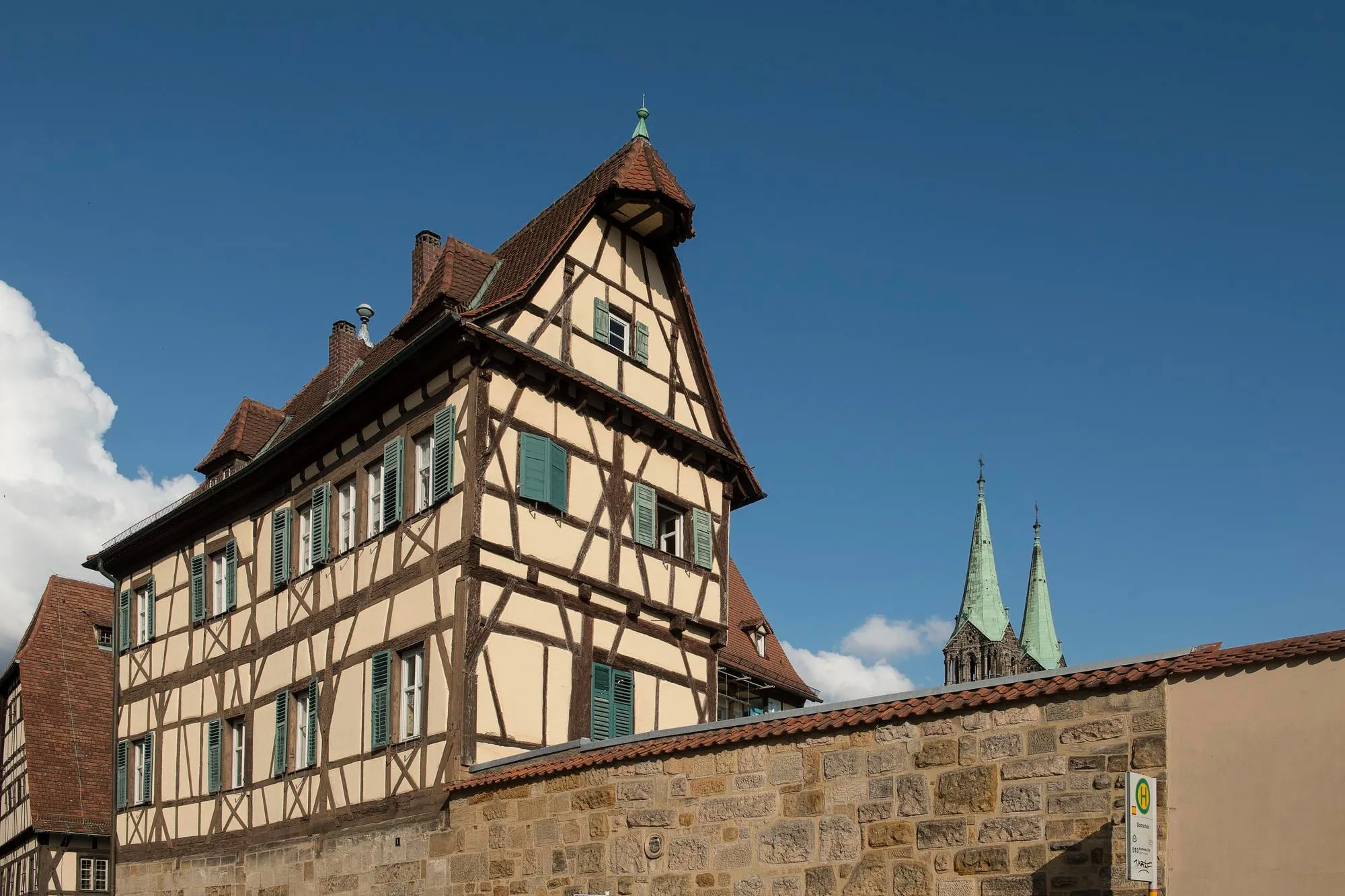
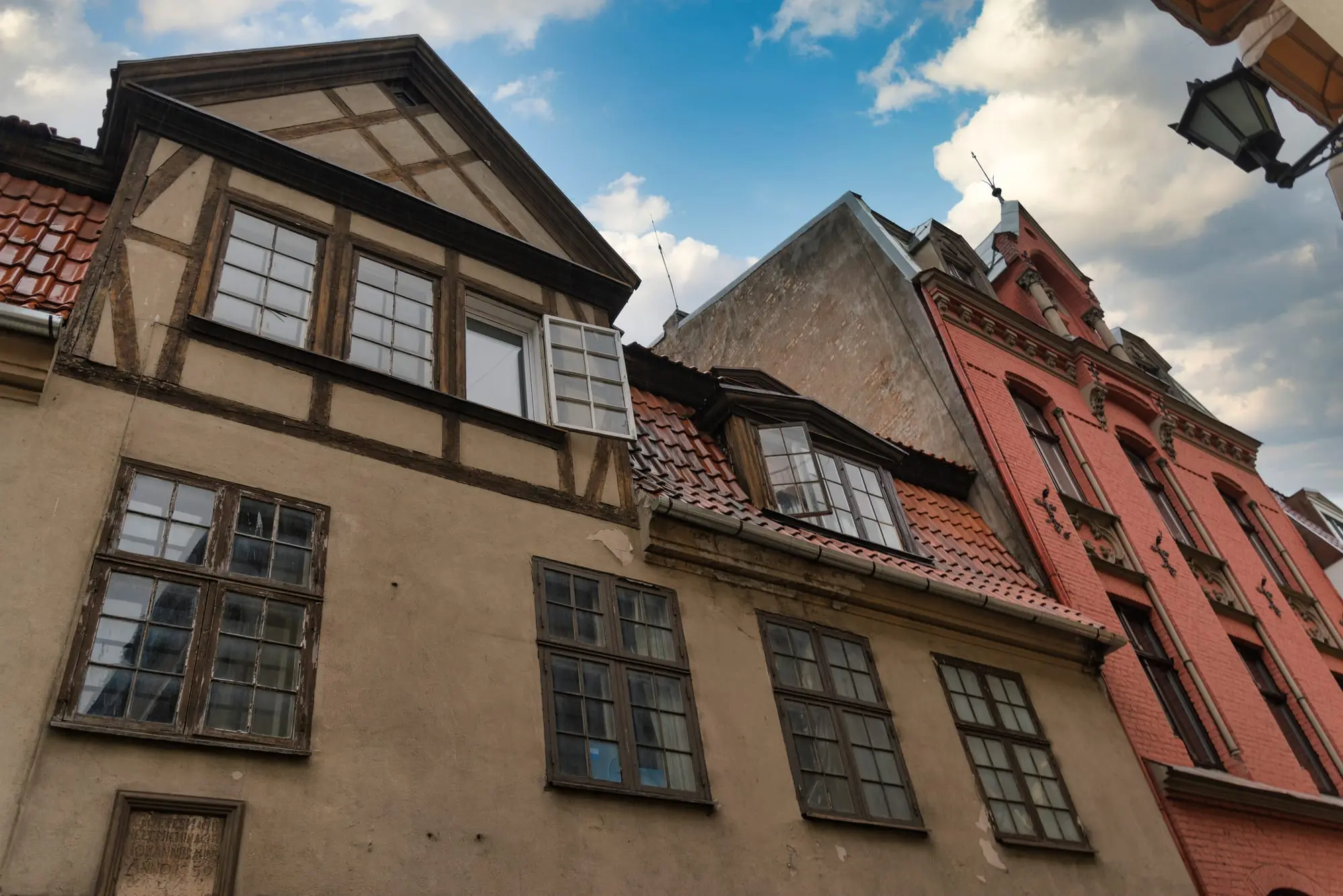
- Historic townhouses in Nuremberg’s Old Town.
- Art Nouveau villas in Erlangen.
2. What does ensemble protection mean?
- Definition:
Ensemble protection safeguards the overall character of a group of buildings, such as streetscapes, squares, or historic town centers.
- Characteristics:
- The focus is on preserving the external appearance.
- Individual buildings do not necessarily have to be listed as historic monuments, but are still subject to design requirements.
- Examples in the region:
- The Gänsberg in Fürth.
- Historic squares such as the market square in Erlangen.
3. Differences in detail
Criterion
Individual Monument
Ensemble Protection
Scope of Protection
Entire building, often including the interior
Only the exterior appearance
Permit Requirement
Required for all structural changes
Required for exterior changes
Maintenance Costs
Higher, as special materials are often required
Lower, provided no major alterations are made
Advantages and Disadvantages of Purchasing Listed Properties
Advantages
- Tax benefits: The historic building depreciation allowance (AfA) allows for tax deductions on renovation costs.
- High value retention: Listed properties are considered exclusive and in high demand.
- Charm and individuality: Historic buildings offer unique living spaces steeped in history.
Disadvantages
- High renovation costs: Restorations are often costly and time-consuming.
- Limited design options: Strict regulations can limit individual preferences.
Important Tips for Buying
1. Seek advice
An experienced real estate agent or architect with expertise in historic preservation can help you better understand the requirements.
2. Calculate costs
- Renovation costs: Obtain cost estimates for potential renovations in advance.
- Financial aid: Find out about government grants and subsidies.
3. Involve the historic preservation authority
Before purchasing, check which regulations and obligations are associated with the property.
4. Take advantage of tax benefits
Work with a tax advisor to make the most of the historic preservation depreciation allowance.
Your Experts for Historic Properties
Are you looking for a property with charm and history in Nuremberg, Fürth, or Erlangen? My-home.de guides you from the first viewing to a successful renovation-with local expertise and comprehensive advice. Contact us now and find your dream property!”
Frequently Asked Questions
What is the difference between ensemble protection and individual historic monument status?
With individual historic monument status, the entire building is protected, whereas with ensemble protection, only the external appearance of a street or town center must be preserved.
Can I modernize a listed building?
Yes, but all changes must be approved by the historic preservation authority.
Are there subsidies available for listed properties?
Yes, both tax benefits (monument depreciation) and government grants are available.
Are properties under ensemble protection more expensive?
The price depends on location and condition. However, ensemble protection usually requires less maintenance than a single listed building.
Why is the Nuremberg, Fürth, and Erlangen region attractive for listed properties?
These cities offer rich historical architecture, excellent infrastructure, and a high quality of life, which increases the value of listed properties.