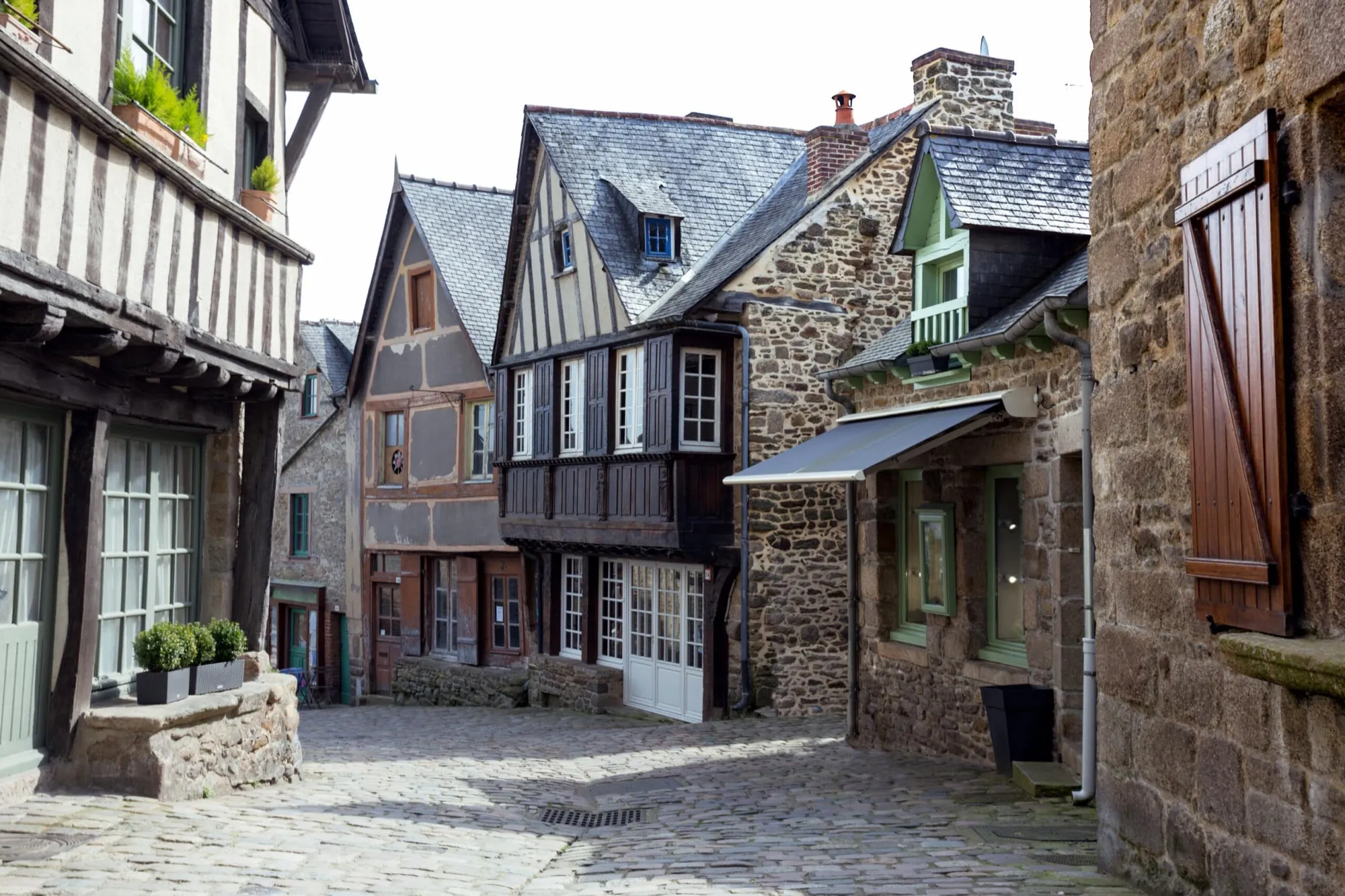
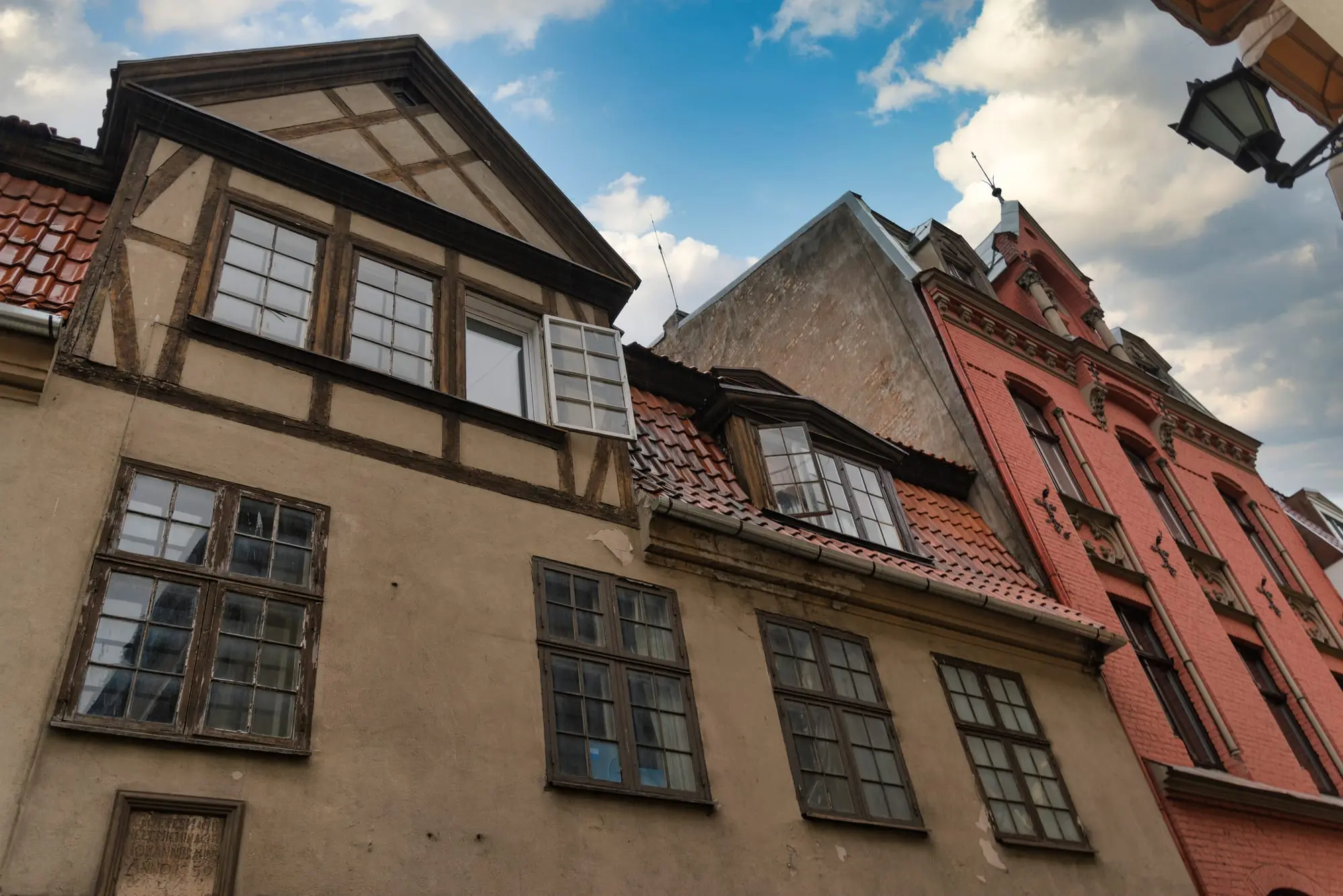
Buying a historic property is a unique investment that can offer both aesthetic and financial benefits. These types of properties are often historically significant, frequently located in central areas, and possess a unique charm that makes them attractive to both investors and homeowners alike. However, the purchase also comes with specific challenges, particularly regarding renovation and compliance with historic preservation regulations. For buyers in the metropolitan region of Nuremberg, Fürth, Erlangen, Schwabach, and Roth, purchasing a historic property can be a worthwhile decision if they are well-informed and make the right choices.
Challenges in Purchasing Historic Properties
Buying a historic property brings not only benefits but also challenges. In particular, the renovation and preservation of such buildings are subject to strict regulations that must be observed. This can lead to higher costs and longer construction times. At the same time, there are financial incentives, such as tax depreciation options and subsidy programs, that make this investment more attractive.
What Are Listed Properties?
Definition and Significance
Listed properties are buildings that have been placed under special protection due to their historical, cultural, or architectural significance. This protection is intended to ensure the preservation of the building’s structure and appearance. Property buyers who choose such a property assume the responsibility of preserving this heritage.
Requirements and Regulations
Special regulations apply to the purchase and renovation of listed properties. Changes to the building structure, facades, or even windows must be coordinated with the historic preservation authorities. Traditional building materials and techniques are often required, which can increase costs compared to conventional real estate projects.
Advantages of a Listed Building
Tax Deduction Opportunities
One of the biggest advantages of purchasing a listed property is the tax benefits. In particular, depreciation under Section 7i of the Income Tax Act (EStG) plays a central role here. This provision allows owners to claim 90% of the renovation costs for tax purposes over a period of 12 years. This is done in the form of a staggered depreciation: In the first 8 years, 9% of the renovation costs can be deducted annually, and in the following 4 years, 7%.
These tax benefits apply to both owner-occupiers and landlords and provide significant financial relief. However, this is contingent upon the renovation measures being coordinated with and approved by the historic preservation authorities.
Example: An investor in Fürth purchases a listed property and invests €100,000 in its renovation. Over the first 8 years, they can claim €9,000 annually, and €7,000 annually over the next 4 years. This significantly reduces their tax burden and makes the renovation financially more attractive.
Preservation of Historic Buildings
For many buyers, the sentimental value is key: preserving cultural heritage and historic buildings holds a special appeal for them. Listed properties exude character and history and are often one-of-a-kind on the real estate market.
Attractive Location
Listed buildings are often located in sought-after areas, such as historic city centers or popular residential neighborhoods. This makes them a stable long-term investment.
Challenges and Risks
High Renovation Costs
Renovating listed properties can be expensive. Since many structural changes must be coordinated with historic preservation authorities, costs for materials, contractors, and permits may be higher than for modern properties.
Long renovation timelines
Scheduling can also be affected by historic preservation requirements. The approval processes for renovations or modernizations are often complex and time-consuming. This can lead to delays in completion.
Limited Design Options
The scope for individual design choices in listed properties is often severely limited. Certain measures, such as replacing windows or redesigning the facade, must be carried out in accordance with historic preservation guidelines.
Tips for purchasing and renovating
1. Seek expert advice
Before purchasing a historic property, it is advisable to seek comprehensive advice. An expert in historic preservation or an architect with experience in working with historic buildings can provide valuable support.
2. Financial planning
Make sure you realistically estimate the financial costs of the purchase and renovation. Also consider any potential grants and tax benefits that could reduce the costs.
3. Close coordination with historic preservation authorities
Maintain close cooperation with the relevant authorities. Early coordination prevents costly mistakes and ensures that the renovation proceeds smoothly.
4. Take Advantage of Government Grants
Take advantage of government grant programs specifically designed for the preservation of historic properties. These may be provided in the form of grants or low-interest loans.
Benefits of consulting with my-home.de
my-home.de offers comprehensive support for the purchase and renovation of historic properties in the metropolitan region of Nuremberg, Fürth, Erlangen, Schwabach, and Roth. Through our network of experts and specialists, you’ll receive expert advice to help you make the right decisions.
- Customized financing solutions: We find the right financing for your project.
- Professional renovation: With our network of tradespeople and architects, the renovation of your property will be carried out smoothly and professionally.
- Legal certainty: We provide comprehensive advice on all matters related to historic preservation requirements and funding opportunities.
Our Tip:
Purchasing a historic property is a unique challenge that requires careful planning and preparation. Let the experts at my-home.de guide you to successfully acquire and renovate your historic property. With the right strategy and professional support, your investment can maintain its value and generate a return over the long term.
Q&A - Buying a Listed Property
What does it mean when a property is listed?
A listed property is a building that is under special protection due to its historical, cultural, or architectural significance. Changes to the building may only be made in consultation with the historic preservation authorities.
What tax benefits do I have with a listed property?
The renovation costs of a listed property can be written off for tax purposes, which can result in significant savings. The depreciation options under Section 7i of the German Income Tax Act (EStG) are particularly attractive.
What challenges are involved in buying a listed property?
Challenges include high renovation costs, lengthy approval processes, and limited design options due to historic preservation requirements.
How do I find out if a property is a listed building?
In most cases, you can check with the relevant historic preservation authorities or in the land registry to see if a property is a listed building.
Can I design a listed property as I please?
Design options are limited for listed properties. Changes to the facade, windows, or building structure must be coordinated with the historic preservation authorities.
Are there any funding opportunities for listed properties?
Yes, there are government subsidy programs and grants that support owners of listed properties with renovation.
How does my-home.de assist with the purchase of a listed property?
Through a network of experts, my-home.de offers comprehensive consulting, assists with financing, and provides support for renovation and compliance with historic preservation requirements.